
The French Tian Bowl: History, Uses and Why Collectors Love Them
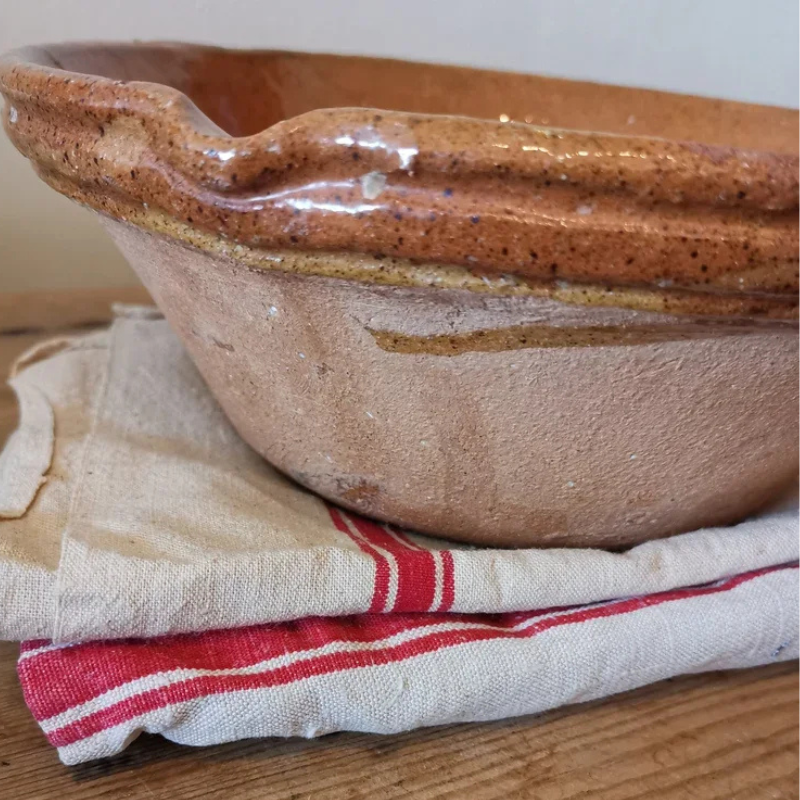
From humble Provençal kitchens to modern country homes, the French tian bowl has become one of the most admired pieces of antique French pottery. Here's the story behind these beautifully glazed earthenware bowls, how they were used, and what to look for when collecting one today.
The Dish and the Bowl
If you've searched for a French tian, you've probably noticed something confusing. Half the internet shows colourful vegetable dishes, while the other half shows beautifully glazed pottery. That's because tian refers both to a traditional Provençal vegetable dish and to the earthenware vessel it was cooked in.
The word originally described the vessel itself. Over time, it also became the name of the layered vegetable bake prepared inside it, made with ingredients such as tomatoes, courgettes, aubergines, onions and olive oil.
For collectors, however, the pottery has taken on a life of its own. Today, antique tian bowls are admired not only for their history but for their warm glazes, generous proportions and timeless simplicity.
What Does "Tian" Mean?
The word tian comes from the Provençal language of southern France, where, coincidental, I lived for fifteen years. It originally referred to the earthenware vessel itself, although over time it also became the name of the dish prepared inside it.
For generations, families across Provence cooked simple meals using whatever was growing in the garden. Layers of tomatoes, courgettes, aubergines and onions were slowly baked with olive oil and herbs in these practical clay dishes, eventually becoming known simply as tian.
As the years passed, the name remained attached to both the recipe and the pottery. Today, collectors often use the term French tian bowl to describe the large glazed earthenware bowls and dishes once found in kitchens throughout Provence, even though you may also come across regional names such as grésale, gresale or gressale.
Whatever the name, they all share the same qualities: honest craftsmanship, warm honey-coloured glazes and the quiet beauty of objects made to be used every day.
Everyday Life in a Provençal Kitchen
Long before modern kitchens, these generous bowls were part of everyday life across southern France. They might be used to wash freshly picked vegetables, mix bread dough, prepare fruit for preserving, or carry ingredients from garden to table. Larger examples became impressive serving bowls during harvest time, piled high with figs, peaches, walnuts or lemons. They were the sort of object that stayed on the kitchen table because they were constantly in use. I have a memory of seeing a huge antique tian sitting on a friend’s table overflowing with lemons. Perhaps that is part of their charm. Even when empty, they still suggest abundance.
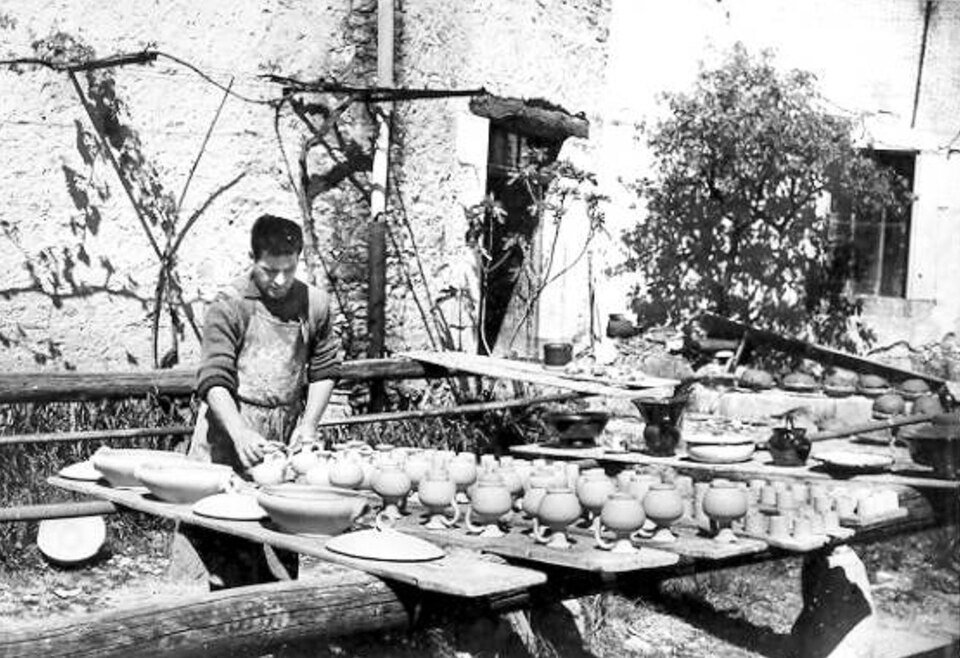
One of the best-known pottery villages in Provence is Dieulefit, where generations of potters produced everyday earthenware using local clay and traditional methods.
How Tian Bowls Were Made
Traditional tian bowls were made by local potters throughout Provence using the clay that was available in their region. Each bowl was thrown by hand on a potter's wheel before being left to dry naturally.
Once the clay had reached the right consistency, the surface was coated with a simple lead glaze, usually in warm shades of honey, amber, ochre or olive green. The glaze wasn't chosen to make the bowls beautiful, although today we admire them for exactly that reason. It created a practical, easy-to-clean surface that was ideal for everyday cooking and food preparation.
The bowls were then fired in wood-fired kilns, where changes in temperature often produced subtle variations in colour. Runs in the glaze, darker patches and tiny imperfections are all part of their character and remind us that no two examples were ever completely identical.
Many of the larger bowls were made with sturdy pouring lips or generous handles, designed to help lift and pour heavy mixtures or cooked food. They were working pieces, built to be used every day rather than displayed in a cabinet.
It is perhaps this honest craftsmanship that makes antique tian bowls so appealing today. Every glaze run, worn rim and small firing mark tells part of the story of the potter who made it and the kitchen where it was once used.
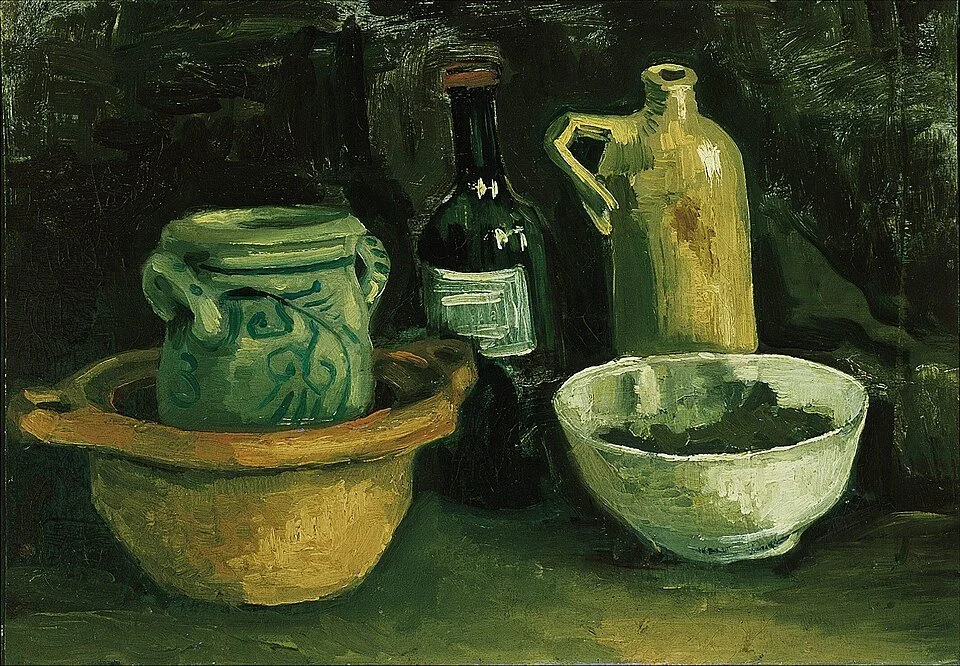
The appeal of simple glazed earthenware isn't new. Artists such as Vincent van Gogh were drawn to these everyday vessels, painting them not as luxury objects, but as part of ordinary domestic life.
Why Collectors Love Them Today
There is something wonderfully reassuring about a French tian bowl. It was never made to impress. It was made to be useful, and perhaps that is exactly why it feels so at home in modern interiors.
Collectors are drawn to their generous proportions, warm honey-coloured glazes and quiet imperfections. No two are quite alike. Some have softly worn rims, others show glaze runs from the kiln or the marks left by decades of everyday use. Rather than diminishing their appeal, these signs of age are often what make them so desirable.
I have always been drawn to objects that continue to earn their place in a home, and tian bowls are a perfect example. I love seeing them filled with seasonal fruit, gathered vegetables or simply sitting empty on a table where their shape and glaze can be appreciated. They never feel out of place.
Perhaps that is why they remain so collectable today. They connect us to a slower way of living, where everyday objects were made to last, repaired when needed, and used until they became part of the family story.
For me, that is the real beauty of a tian bowl. It isn't just the pottery itself, but the quiet history it carries with it.
What to Look For When Buying an Antique Tian Bowl
One of the pleasures of collecting tian bowls is that perfection isn't the goal. These were hardworking kitchen vessels, and signs of a well-used life are often part of their appeal.
When I'm looking at an antique tian bowl, these are the things that catch my eye:
Glaze
Look for rich honey, ochre or amber glazes with natural variation. Uneven colour, glaze runs and tiny imperfections are all signs of traditional production rather than machine-made perfection.
Weight
A good tian bowl should feel reassuringly solid. Their generous weight reflects their original purpose as practical working bowls.
Wear
Soft wear around the rim, light surface scratches and a gently worn foot ring are all consistent with decades of everyday use. These details often add character rather than detract from it.
Shape
Many antique examples are not perfectly symmetrical. Slightly uneven rims or subtle differences in thickness are reminders that each bowl was made by hand.
Repairs and Chips
Small chips or old repairs don't necessarily put me off. If the bowl has retained its strength and beauty, these imperfections simply become part of its story. I always think it's better to buy an honest bowl with gentle wear than one that has been over-restored.
Above all, trust your instincts. If a bowl feels right when you pick it up, chances are someone else felt exactly the same way a century ago.
Styling a Tian Bowl at Home
One of the reasons I continue to collect tian bowls is that they never seem to lose their usefulness. Although they were made for the kitchen, they adapt beautifully to modern homes without losing their original character.
Mine are just as likely to hold lemons or apples as they are to sit empty on a table, where the warm glaze and generous shape become part of the room. They also work beautifully filled with seasonal vegetables, dried hydrangeas, pine cones or simply resting on an open shelf among old books and pottery.
The larger bowls make wonderful centrepieces, while smaller examples are perfect for everyday fruit or serving salads at the table. Their warm ochre tones sit comfortably alongside old wood, antique linen, copper, stoneware and painted furniture.
I think that's why they have never really gone out of fashion. They don't demand attention, but quietly become part of a home, just as they always have.
A Piece of Provence to Keep
Perhaps the reason tian bowls have endured for so long is that they were never intended to be precious. They were simply useful things, made from local clay, glazed by hand and put to work in kitchens across Provence.
A hundred years or more later, that usefulness hasn't disappeared. A tian can still sit on a kitchen table filled with fruit, hold vegetables from the garden or simply be admired for the wonderful depth and variation of its glaze.
For me, collecting old objects is often about this connection between past and present. I like knowing that something has already had another life before it reached mine, and that the marks, chips and wear are evidence of that life rather than flaws to be hidden.
If you find an old tian at a brocante or market, pick it up. Look underneath it, feel its weight, notice the uneven glaze and worn edges. You may be holding something that once sat on a Provençal kitchen table generations ago.
And perhaps, if you're anything like me, you won't want to put it back down.